Pinar Yolaçan - Mother Goddess
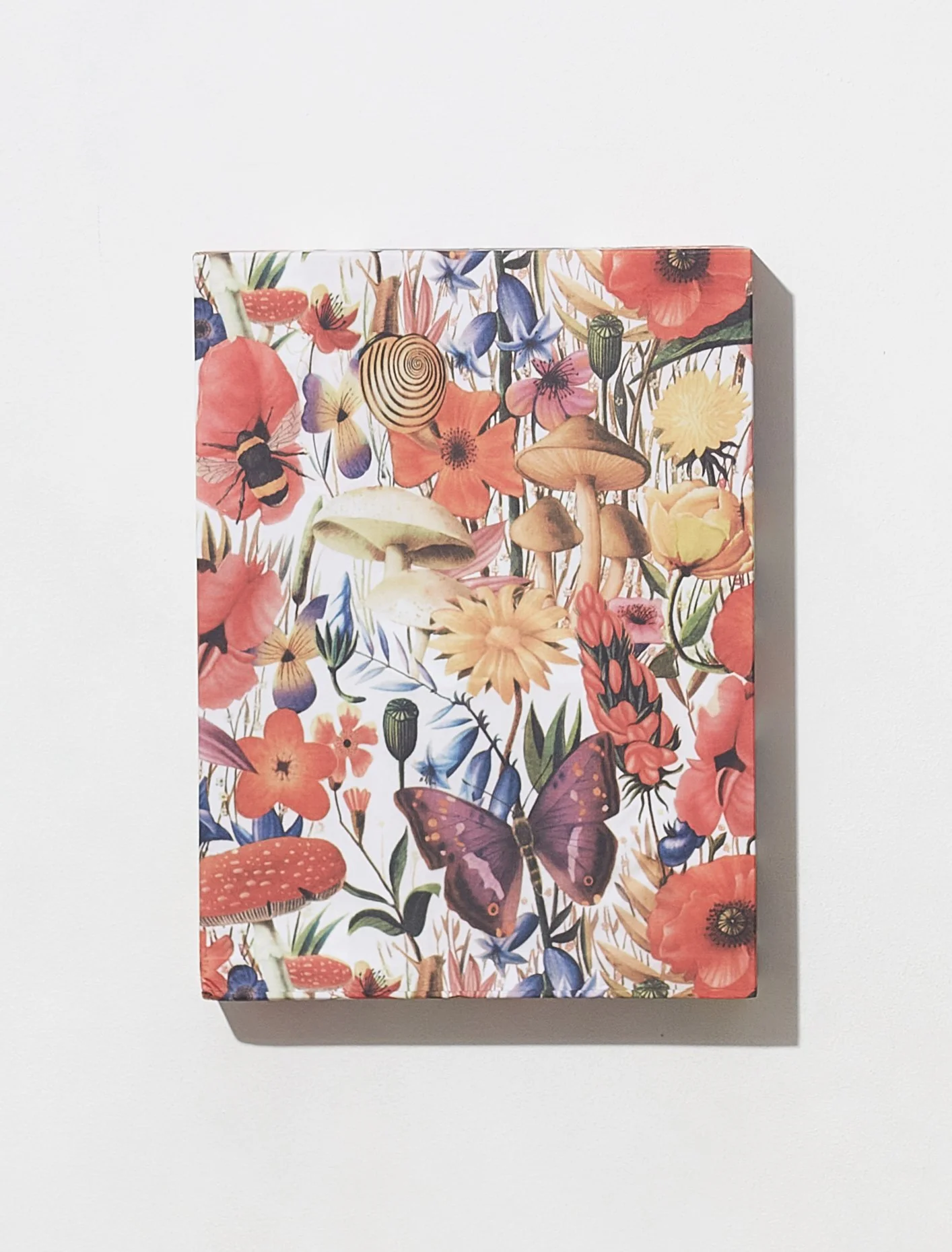
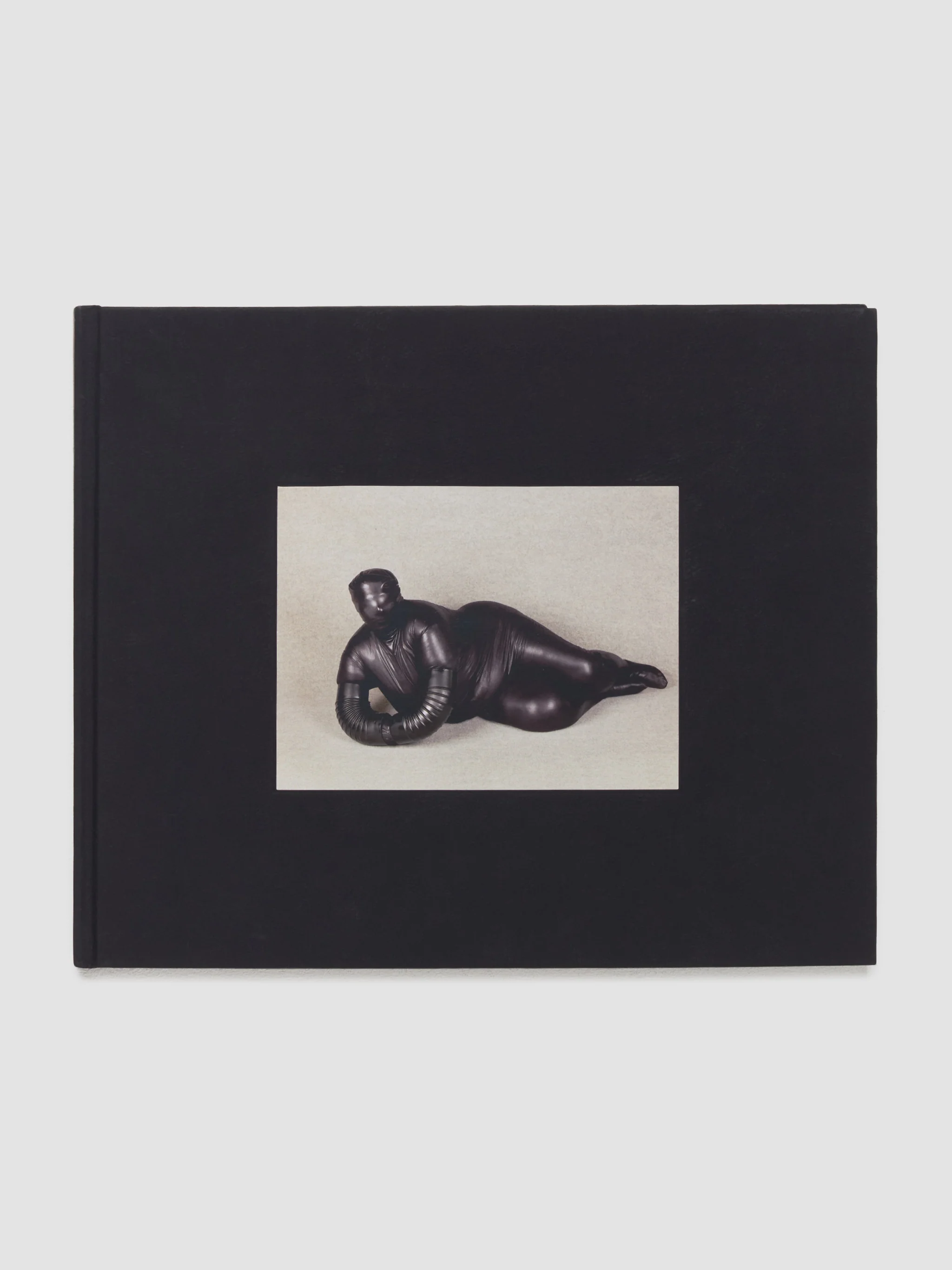
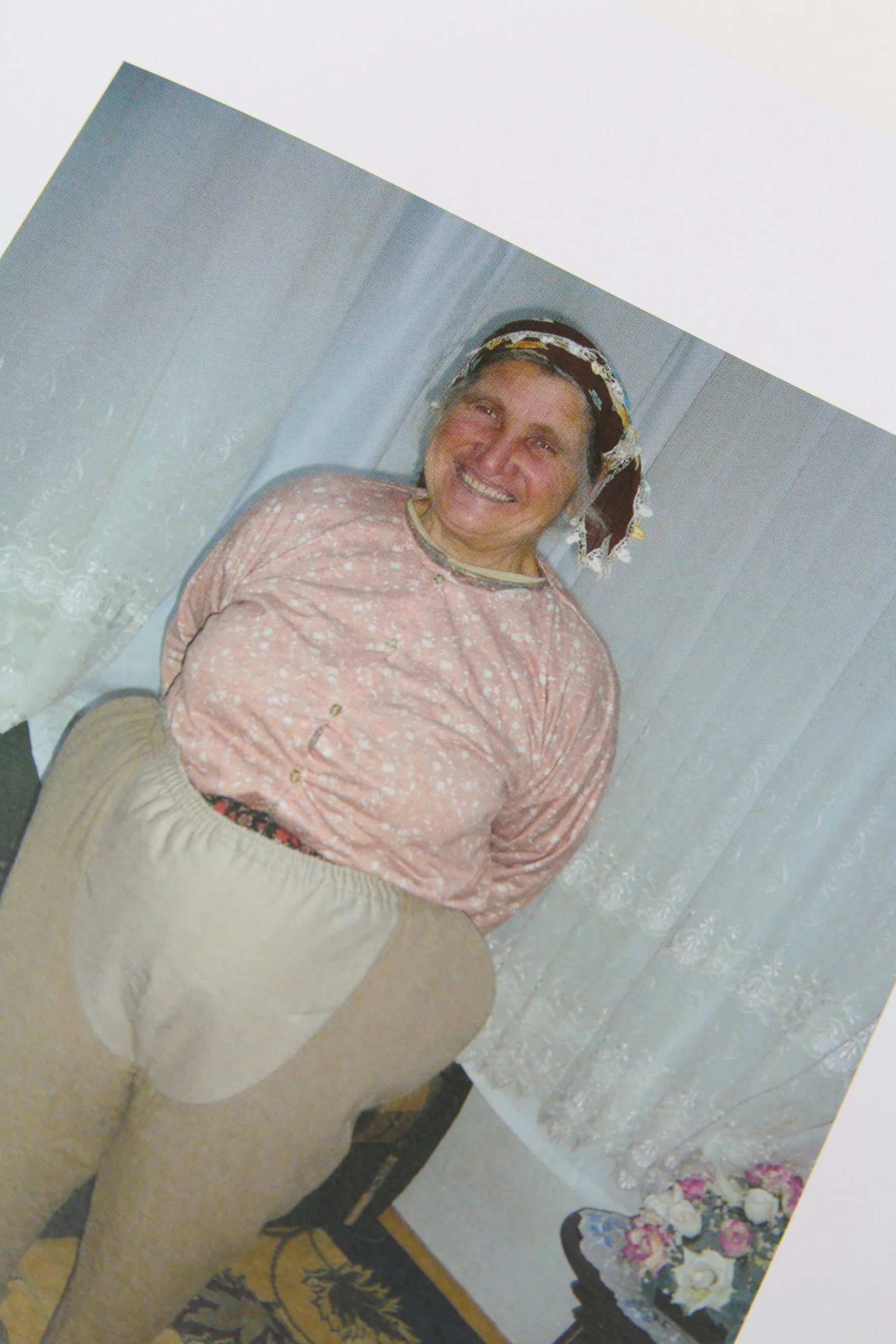
Mother Goddess, published by Baron, showcases the work of artist Pinar Yolaçan and serves as an artefact of her visual explorations of the body, along the themes of gender and otherness. The book features photographs from several series across the artist’s career, including the titular Mother Goddess (2009), White Sands (2010), Like a Stone (2011), and Carmel (2011).
Placing the female body at the centre of her work, the corporeal for Yolaçan does not only comprise subject matter, but is as much a medium as the photographs themselves. As she articulates, in a 2015 interview for Wetterling Gallery “I am looking at the body as a material to work with, like how bronze or plaster can be a material for some artists, flesh and the body are mine”.
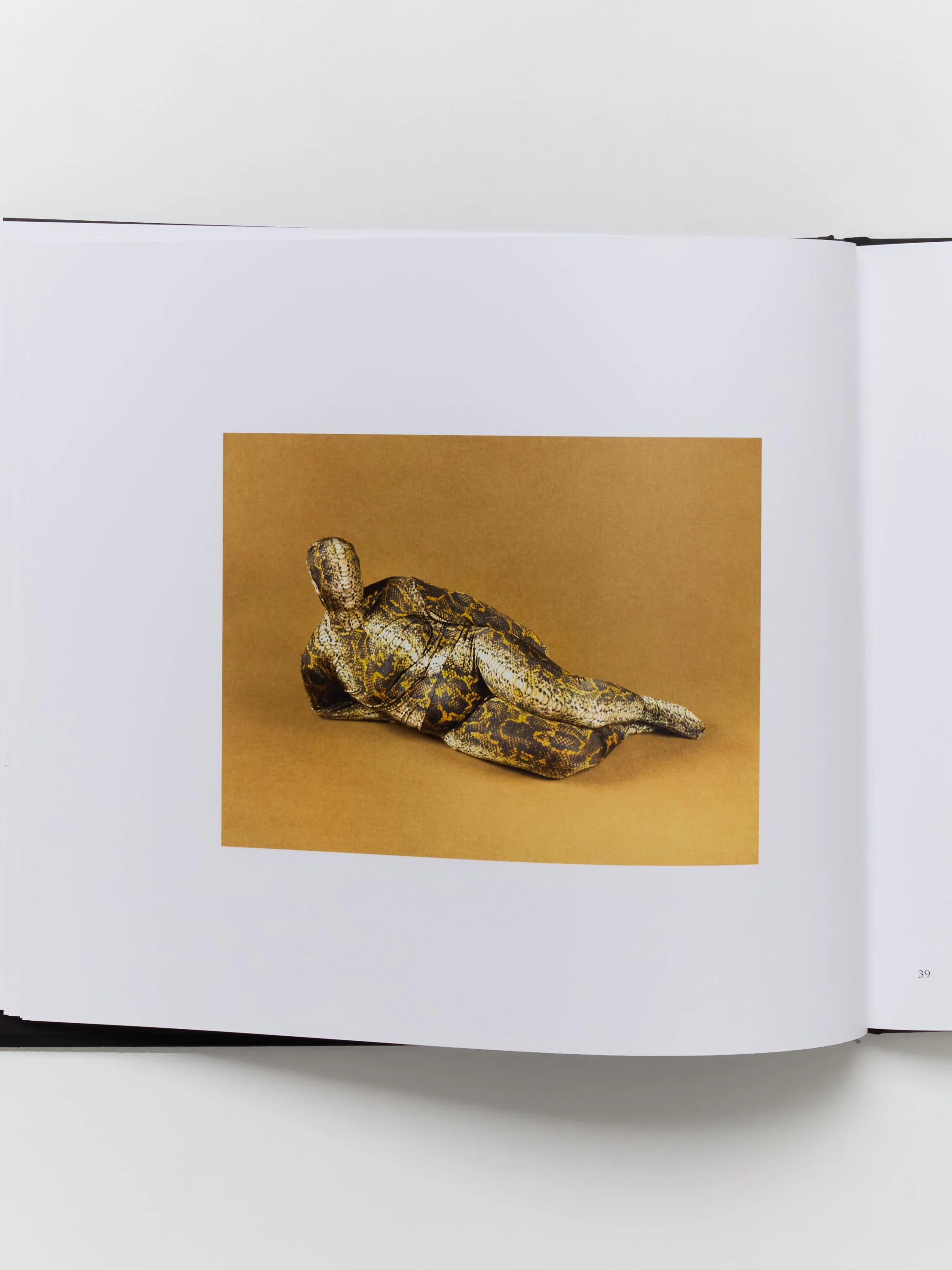
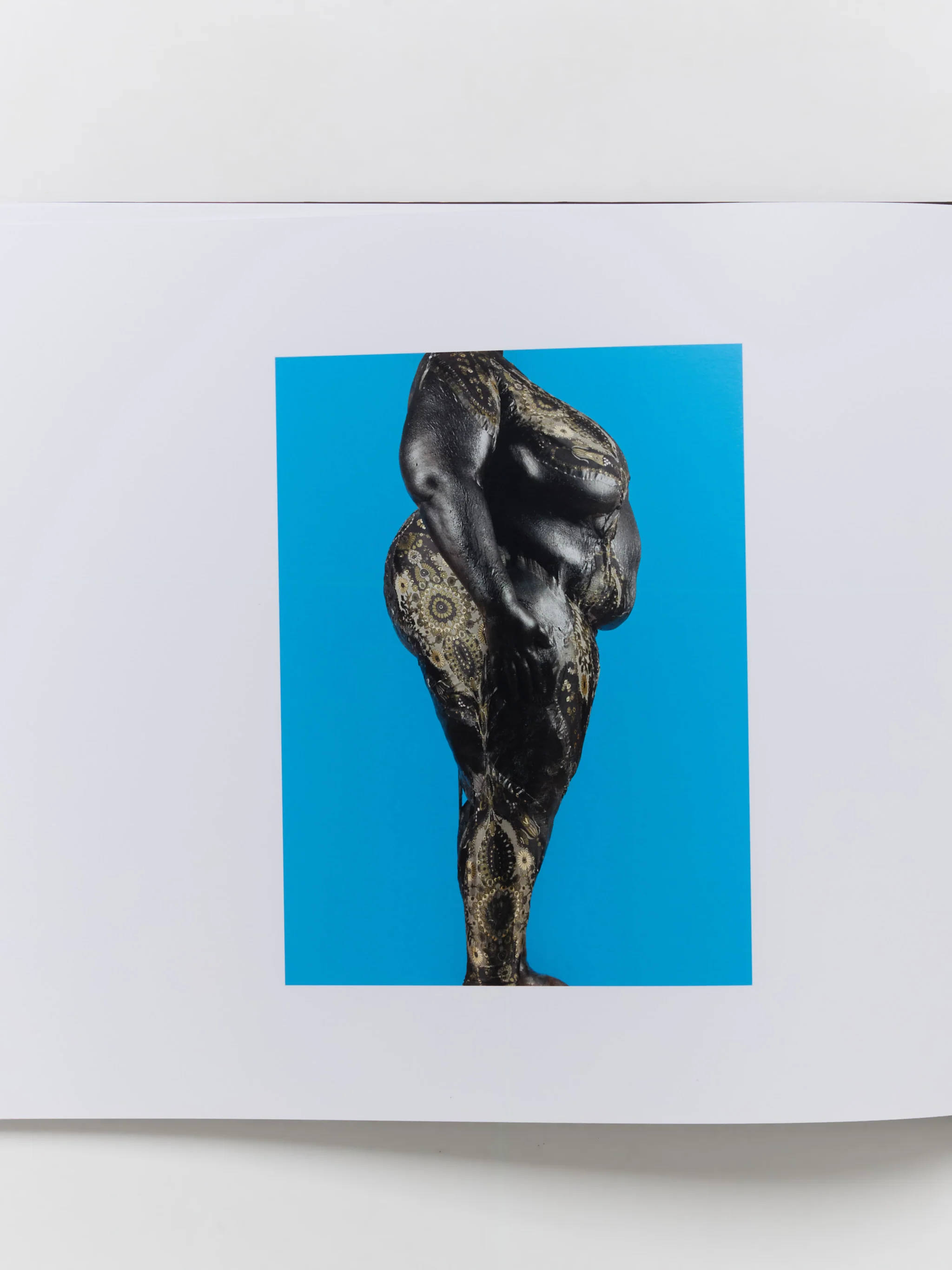
The photographs, displayed in this book, reveal Yolaçan’s boundary-pushing approach to creating images of the body, as anatomical forms are altered, abstracted or obscured by the incorporation of mixed materials, such as fabric, latex, plaster, mesh, and paint.
At many points, across her selected works, the human body is caught in the act of transmutation, straddling the line between living and inorganic.
Product Information
Product Information
Shipping & Returns
Shipping & Returns
Description
Mother Goddess, published by Baron, showcases the work of artist Pinar Yolaçan and serves as an artefact of her visual explorations of the body, along the themes of gender and otherness. The book features photographs from several series across the artist’s career, including the titular Mother Goddess (2009), White Sands (2010), Like a Stone (2011), and Carmel (2011).
Placing the female body at the centre of her work, the corporeal for Yolaçan does not only comprise subject matter, but is as much a medium as the photographs themselves. As she articulates, in a 2015 interview for Wetterling Gallery “I am looking at the body as a material to work with, like how bronze or plaster can be a material for some artists, flesh and the body are mine”.
The photographs, displayed in this book, reveal Yolaçan’s boundary-pushing approach to creating images of the body, as anatomical forms are altered, abstracted or obscured by the incorporation of mixed materials, such as fabric, latex, plaster, mesh, and paint.
At many points, across her selected works, the human body is caught in the act of transmutation, straddling the line between living and inorganic.